By Scott Spitzley
Hunting buck bedding areas has become one of the most popular techniques when it comes to hunting mature bucks over the last couple of years, thanks in large part to Dan Infalt and “The Hunting Beast” Forum. Being that it is a high risk, high reward type of style, it can be a tricky way to hunt, but it can really pay off if you want that consistent success. Sometimes sitting just outside a whitetail’s safe-zone and being a bit more aggressive is what it takes, especially when hunting public land.
Let’s break down the tips I have when hunting this particular style.
1. Finding un-pressured Areas
Public Land:
Mature bucks are all about survival and they will do their utmost to prevent predators from getting them. Some think that going back miles into public or crossing hard to get places like rivers, for example, is the only way to find those areas that are not being pressured. These are great spots to find, don’t get me wrong, but I have found that a lot of spots right off the road and around the parking lot do not get pressured as well. Don’t be afraid to check these spots out, it could potentially be your best.
Private Land:
This also applies to private land. Try to think of that particular section where you have never stepped foot on or do so on a rare occasion. Section it off on the map and go walk that out during spring. You’re not always going find what you’re looking for, but if that section is a recipe for bedding and contains elements such as cover for example, you will be glad to have walked it.
2. Finding the Bedding
It will be difficult for me to break down all this into one paragraph as there is a ton of information that needs to be gathered when finding buck bedding areas. Not all of them are created equal and much depends on what type of terrain and time of season you are hunting. But if I were to point out something that’s consistent when I find these beds, regardless of the type of terrain and season, it’s that they are bedded in spots where they can see in front of them with some kind of obstacle behind them, and the wind to their advantage, typically at their back so they can smell what’s behind them as well.
A good way to confirm bedding is to find those flat spots on the ground where it might look like a BIG deer laid there and check for deer hair. Some added tips that can confirm bedding are finding BIG droppings and tracks in the bed and on their entry/exit trails. Not all mature buck beds have rubs in them, but if they do, it can be a great confirmation as well. Pay attention to the height of the rub. Higher rubs (waist high or higher) are a good indicator that a mature buck was the one to leave the sign.
Rubs in and around beds can be a good identifier of a buck bed.
3. Observation Sits/Glassing
Observation sits, especially if you are impatient, are not mandatory, but they have the ability to give you very good intel from afar if you want confirmation that perhaps a mature buck is in the area. Instead of going in for the kill right away, an observation sit gives you a chance to see if you can get eyes on a buck coming from a bedding area that you believe him to be using. I advise finding a spot at least a couple hundred yards away and glass where you think they might end up on the transition of their bedding area.
4. Finding the Perfect Tree (Spot To Hang Your Stand)
When hunting buck beds, choosing the right kill spot is probably the most important (and difficult) step. You’ll want to walk the exit trails leading out of their bedding area and find the perfect tree within shooting distance of the specific trail(s) you are targeting. A few yards can make all of the difference, so if you are not finding that perfect tree, hunt from the ground if you have to. I say that because if you keep walking away to find the tree, it may take you out of the game. If you are too close to the bed, but set up there because there’s a good tree, that may take you out of the game as well. No matter where you set up, make sure you are JUST out of sight, hearing and smell of a potentially bedded buck. I suspect that this procedure will involve a lot of trial and error.
Keep in mind that most bedding is wind specific. Just because you are finding bedding doesn’t mean a buck will be there when you hunt it, it’s your job to figure out when you suspect he will there and that’s where observation sits can play a big role. Either way, success or not, after giving it a shot you will learn that much-needed ingredient, getting you one step closer.
Added Tip from Scott: Most of the buck beds you find will be a bed that has been used for several years by multiple bucks. There is a reason why they are bedded there. Finding old rubs in them is a great way to identify that.
5. Access
It is very important to have great access. You want to stay out of sight and make sure your scent isn't blowing into the bedding while in-route to the stand, which may leave you no choice but to take the long way around. You also need to be very quiet on the home stretch leading up to your hunting location. You want to try your best not to make any noise, so give yourself some time given the fact that you are setting up close to where you think a buck is bedding.
Conclusion
Buck bed hunting isn’t something you learn overnight, it takes a lot of boots on the ground scouting, mistakes, and dedication. You won’t master this by reading articles, forums or watching videos at home all the time. I can say that it has helped my overall success and confidence as it has given me a lot more opportunities than I used to get sitting on a field edge. If this is something you are wanting to get into, don’t get discouraged after the multiple failed attempts, and remember to still have fun, as that is what the ultimate goal should be.
By Kaleb Comstock
I believe scouting is the single most important thing a person can do to help themselves be more successful in the fall. In this blog I am going to dive a little deeper into scouting and what I’m exactly doing and looking for as I scout. I am going to talk about how important and how to use online maps as well as discuss what I am looking for when I have my boots on the ground.
By Jeremy Lopez
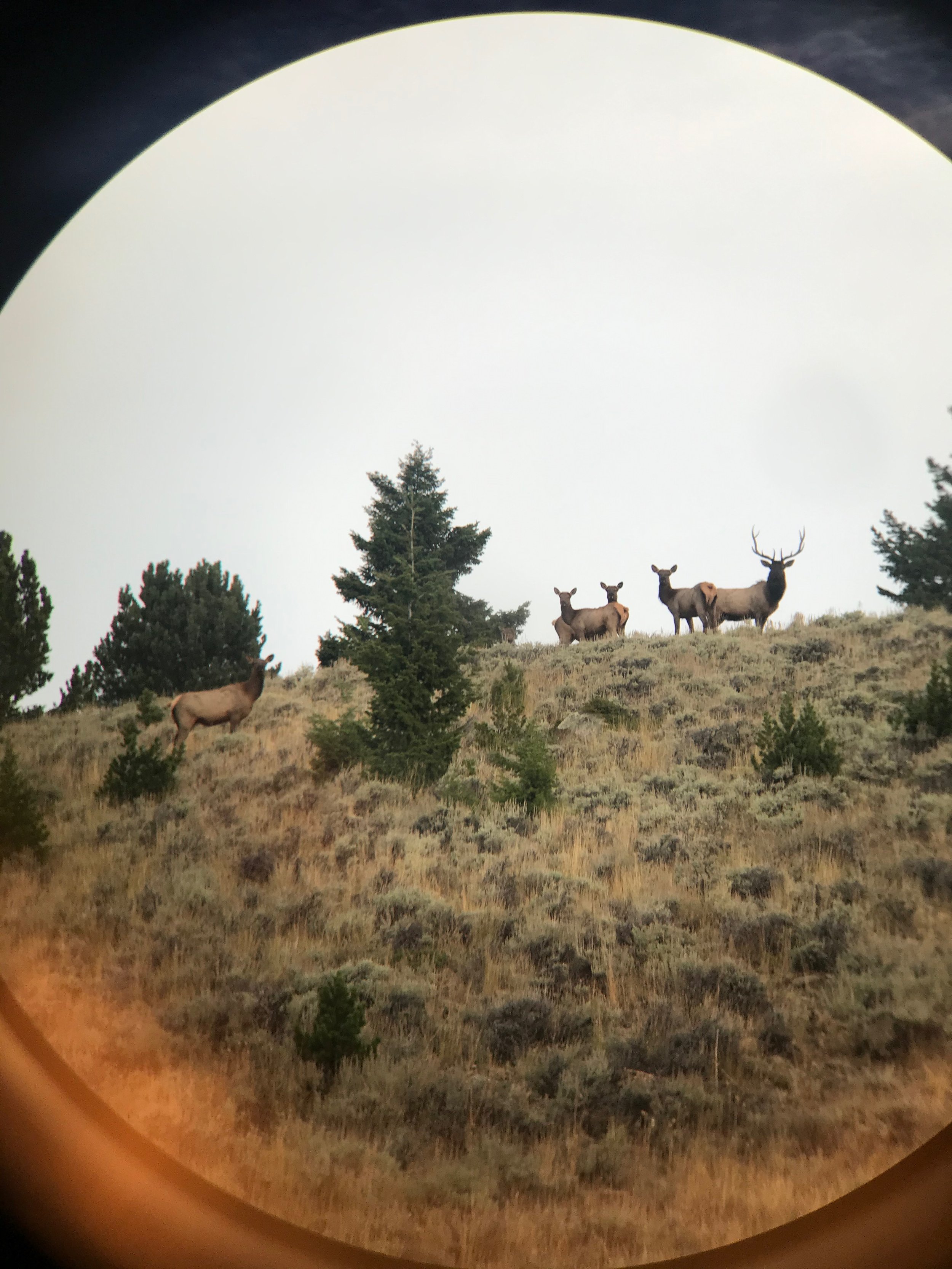
Elk hunting is an exhilarating experience that challenges both your physical fitness and mental fortitude. Hunting elk with a bow in hand in the Rocky Mountains of the West is on every bowhunters bucket list. And if it’s not, it should be. But for first-timers, it can be a daunting task. But don’t worry, whether you’re chasing the thrill of the rut or hoping to bag your first elk, there are a few key tips that will help make your first elk hunt more successful and enjoyable. Here are my top 5 elk hunting tips for beginners!
By Alex Comstock
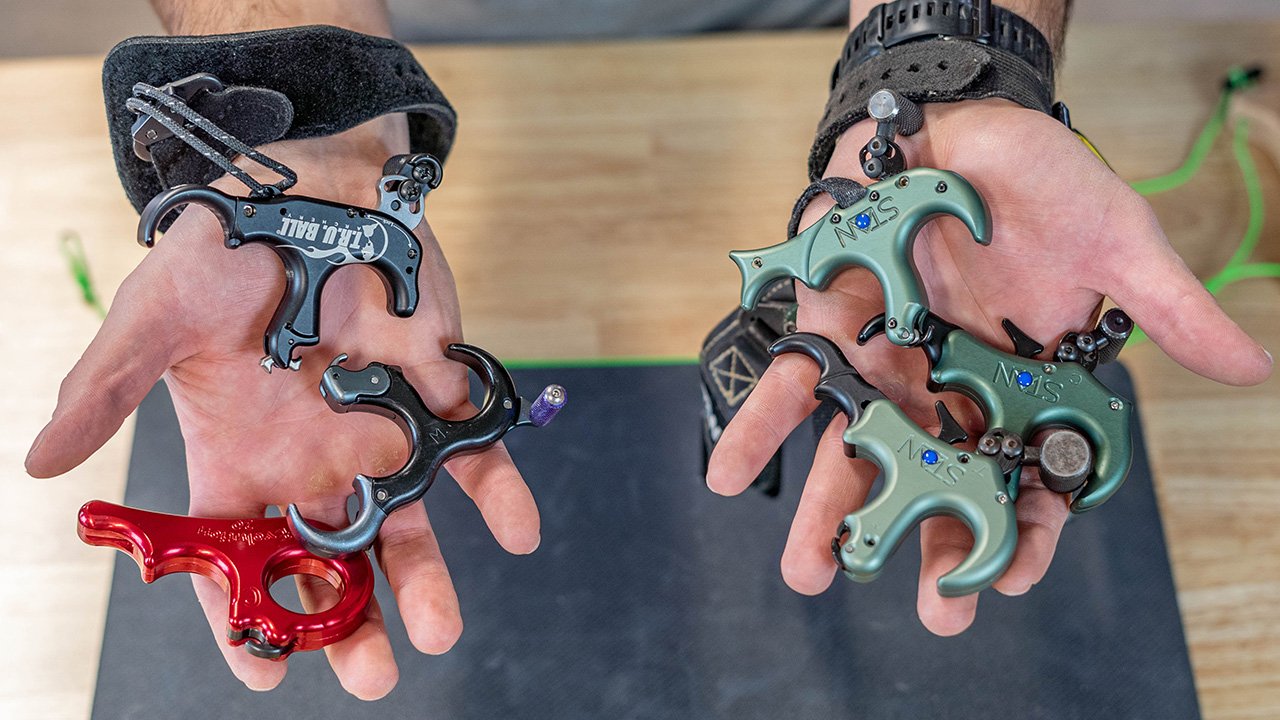
When it comes to bowhunting, there are countless releases on the market. Deciding what one to put to use can be somewhat intimidating. For a lot of people, testing all the different kinds of releases isn’t practical due to time restraints, etc.
By Alex Comstock
When it comes to saddle hunting, a question I get time and time again is how I set up a saddle and do it in one trip up the tree. One of the things I particularly love about saddle hunting is the mobile nature of it, and I can get up trees quickly and efficiently.
By Alex Comstock
When it comes to scouting, there are numerous things you should be thinking about and looking for. When it comes to scouting flatland, it can be rather challenging to not have terrain features to use to your advantage.
By Kaleb Comstock
The 2023 season was shaping up to be far different than I expected/hoped it to be. This past summer in Nebraska, we encountered our third straight drought year, a deer hunters worst nightmare. With a drought, you always run the risk for EHD. Despite a drought, my summer trail cameras looked beyond promising at the river farm with multiple shooters including bucks I called Splitz and Half Rack. Two 5.5 year olds pushing 160” and a handful of great 3 year olds. The anticipation was high going into the season.
By Kaleb Comstock
Running trail cams is such an exciting thing for me. The anticipation of a new giant showing up on a trail camera never goes away. Trail cameras can make your hopes as high as the sky and can also leave you feeling pretty much hopeless for shooting a mature deer depending on what your camera is catching. Late September and early October, in my opinion, is one of the most frustrating times to run trail cameras and my cameras slow down significantly. I think this happens for a few reasons, one being deer have now shed their velvet and are moving into their fall ranges. Over the years, I have learned some things that have helped me get more pictures during this time period.
By Kaleb Comstock
As we turn the calendar into late May, many states still have their turkey seasons open. Here in Nebraska, our season is open until May 31st. Hunting late season birds is a complete 180 compared to hunting early season turkeys. In the past week, I was able to fill my second, and last tag in Nebraska as well as having multiple close calls.
By Kaleb Comstock
Growing up in Nebraska, I’ve been blessed to be able to hunt in what I believe to be one of the best turkey hunting states in the country. Every year, the anticipation ramps up to start chasing gobblers in the spring. It is one of my all time favorite things to do. Over the years and hundreds of hunts and too many encounters to count, I have learned a lot when it comes to chasing turkeys. In this blog, I am going to dive into three turkey hunting tips that will hopefully help you be successful in the woods this spring season.
By Alex Comstock
This winter, we filmed and produce a three part video series covering numerous topics revolving around saddle hunting. In case you didn’t catch them on our YouTube channel, I wanted to share them with you here and provide a thought on each video on what I find to be most important when it comes to saddle hunting.
By Alex Comstock
As we’ve entered into the month of March, for most of the midwest, it’s peak shed season. I would venture to say that March is the most “popular” shed hunting month for most avid antler seekers. By now, most bucks have dropped their antlers and March is typically a great time to walk for antlers because the woods haven’t come close to greening up yet, and in a lot of places there’s little to no snow.
By Kaleb Comstock
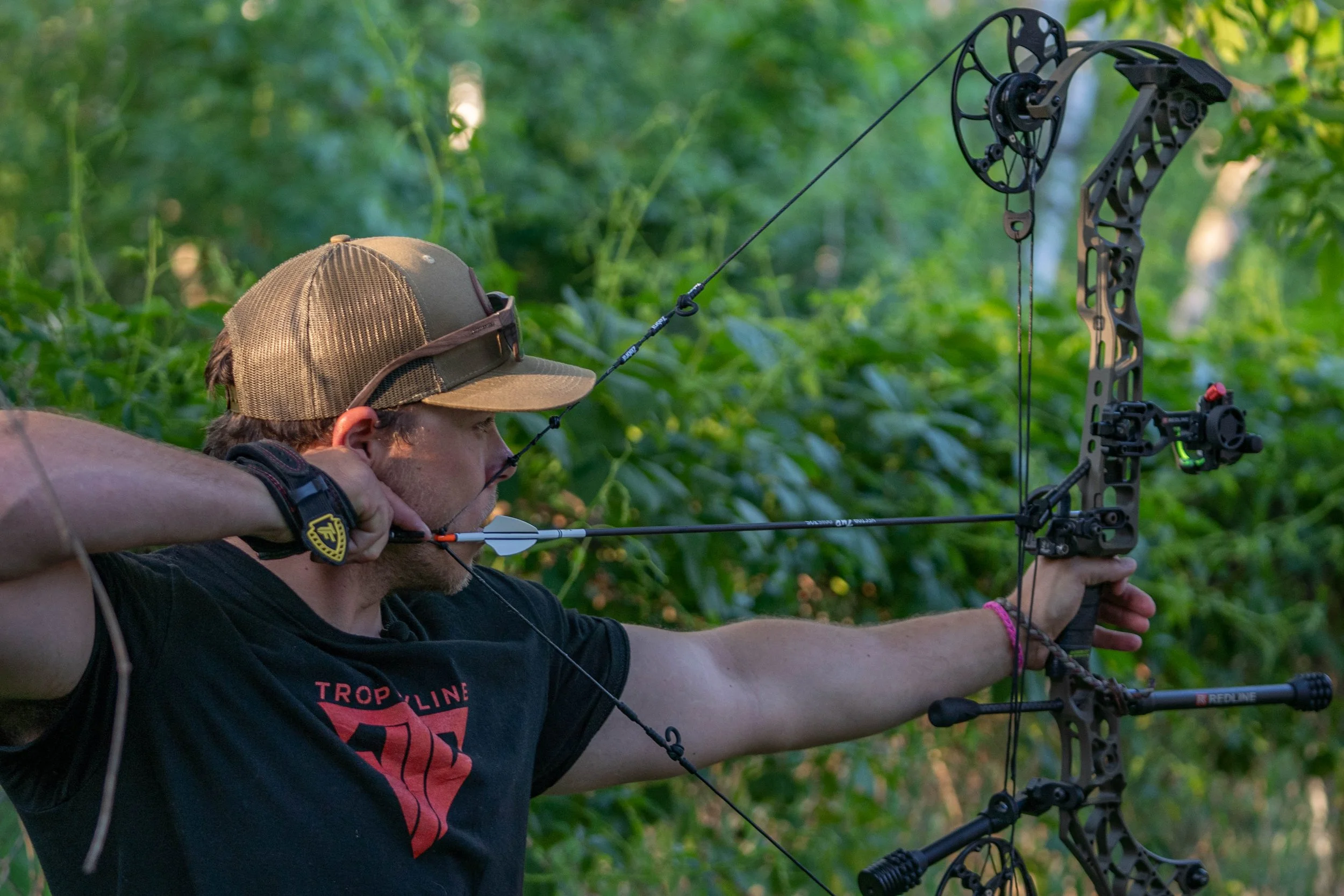
Archery can be one of the most rewarding and frustrating things to get into. I have been shooting a bow for as long as I can remember and even shot my first turkey with a bow at the age of 8 years old. I can’t remember a time in my life when I didn’t shoot a bow. In this blog, I am going to dig into three tips to help beginner archers. These things will only help you out as you progress in your archery life.
By Alex Comstock
It’s crazy to me to think that in my neck of the woods, whitetail season has already been over for a month and a half. As I sit here in the middle of February, my mind is already racing and coming up with plans to make the 2023 whitetail season one of my best. The 2022 deer season was in large part one of my worst seasons ever and if you want to read more in depth on my 2022 reflection, you can HERE.
In this blog, I’m going to focus on this upcoming year and go over a month by month synopsis on what I’ll be doing to hopefully have more success than ever in 2023 and hopefully you’ll be able to glean some information from it that can help you as well.
By Kaleb Comstock
When it comes to killing big, mature, bucks, we need 150 plus acres of prime ground surrounded with unbelievable food and bedding, right? While that’s certainly my dream property, that’s definitely not the kind of property I have permission to hunt. Instead, I have access to less than 80 acres of nasty, thick river bottom that many people wouldn’t think would hold a big buck. That couldn’t be more false. I am going to dive into three things that I have learned from hunting this small property that has led me to kill four mature bucks in five seasons.
By Kaleb Comstock
Many people around the Midwest say that November 7th is their favorite day to be in the deer hunting woods. While that might be true for a lot of people, my favorite day to be in the deer hunting woods is December 4th. All jokes aside, December 4th has been a very good date for me when it comes to killing mature deer.
By Kaleb Comstock
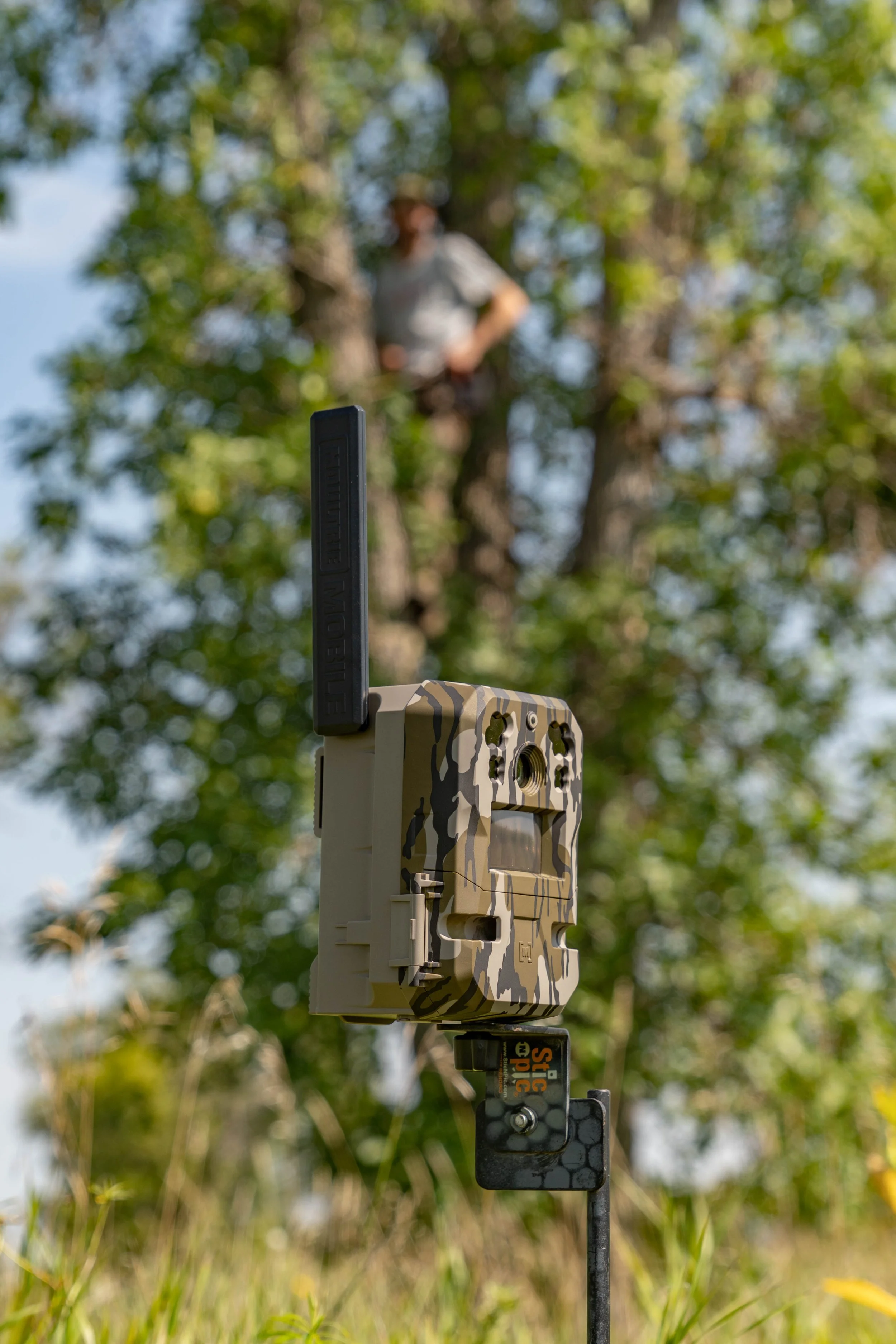
Cellular Cameras have truly changed the way we hunt. There are many benefits of using cell cams, as well as some cons. In some states, cell cams aren’t even legal. In today’s blog, we are going to dive in and discuss the pros and cons of using cellular trail cameras.
By Kaleb Comstock
One of the most important things that I have learned as a hunter is how to internet scout. What I mean by internet scouting is I have learned how to read maps, topography, and food sources. Being a teacher, I need to maximize the number of opportunities I get to hunt which is why I rely so heavily on OnX Maps and internet scouting. OnX Maps is a piece of technology I utilize religiously, all year long no matter what I am hunting.
By Kaleb Comstock
As the calendar flips over to a new month, that means one thing, we are down to the final month before the season begins. In that final month, there is still a ton of deer work to be done. Trail cameras, treestand work, glassing and shooting my bow is what the next month has in store for me as we inch closer and closer to September 1st - opening day in Nebraska.
By Kaleb Comstock
As we turn the calendar to July, that means one thing. We are one month closer to opening day. In Nebraska, archery season opens up on September 1st. Time is ticking on finishing up our summer prep work to get prepared for the season. This year has us excited as we are tackling another new piece of property. A property we have high expectations for, the property we call “Plan B”. I picked up permission on Plan B in December of 2021.
By Kaleb Comstock
When I first got into hunting as a little boy, turkey hunting is where my roots laid. I can remember being a little boy going turkey hunting with my dad and following his every move, not really knowing what I was doing, I was just happy to be there. I will always remember the first bird I ever shot with my bow at the age of 8 years old. I remember that very first bird I called in all on my own. Turkey hunting has provided me with countless memories that will last a lifetime. As I have gotten older, my passion for turkey hunting has only grown. Throughout the years as I’ve gotten older, I have learned how to use what I learned from turkey hunting and put that towards becoming a better deer hunter. To me, watching a big tom coming straight down the pipe, full strut, spitting and drumming is equivalent to that 150” buck reading the script and walking straight down the trail.
One of the biggest mistakes people make shed hunting is looking for big full antlers with tines sticking up in the middle of deer trails. Truth is, that’s not reality 95% of the time. You pretty much have to “train” your eyes to spot antlers.
By Alex Comstock
As I write this blog post in mid-July, I’m coming off a few days of vacation. During vacation, I make it a priority not to work, as it’s easy for me to work on “vacation” as all I need is my phone to work in many cases. One thing I still found myself doing though throughout the last few days, as I do it almost every day this time of year is to open up my OnX hunt app and pour over maps all over. This past week, I was spending most of my time looking at our new property in Nebraska. Team member Kaleb Comstock and I have gotten access to quite possibly what could shape up to be the best deer hunting property I’ve ever had access to. Time will tell for sure, but based on what I believe, it’s going to be really good.
By Alex Comstock
It’s been awhile since I’ve come out with a new blog post. When WhitetailDNA first started 5 years ago, I had been publishing multiple blog posts per week. As the years went on, I transitioned to focusing most of my attention on YouTube, and publishing as many new videos as possible. As I did that, blog posts fell to the wayside for the most part. From here on out, I’m aiming to get back into publishing new blog posts weekly while I continue to pump out YouTube videos. So, whether you enjoy to watch videos or read (or both!) there will be the best of both worlds. Today, I want to focus on five summer tips for deer hunters and some things you can be doing over the next few months to help benefit what you accomplish in the fall.
By Alex Comstock
Today, I’m going to cover some underrated spots to locate antlers. In the last blog post, I covered some go-to shed hunting areas (which you can read HERE). The go-to spots are great, but these underrated spots can surely produce as well. So let’s jump into them.
By Alex Comstock
Wow, it’s been roughly six months since I’ve written a blog post here on WhitetailDNA. That’s pretty crazy, given that at one time, this was a site where I produced almost daily blog posts. Recently though, I’ve been giving most of my attention to my YouTube channel, where I’ve been producing weekly videos. If you want to go check those out, be sure to visit the YouTube channel HERE. This year, I’ll continue to produce weekly videos on the channel, but I’m going to get back to written content as well. You can look for new blog posts weekly.
By Alex Comstock
It’s amazing to me just how much trail cameras have developed over the years. From film, to digital, to now where a trail camera can snap a photo and seconds later you can be viewing that photo on your cell phone. If you take a second to stop and think about it, it’s fairly mind blowing. There can be some controversy though, over cellular trail cameras and for good reason. We’ll talk more about them this upcoming season, but today, I wanted to focus on three benefits of using a cellular trail camera and how they can help you.
By Alex Comstock
Spring scouting is no doubt important, and it’s a part of the puzzle you must put together to help you be more successful as a deer hunter. I want to make that clear from the outset. But, with that said, I also feel that some hunters out there put too much stock into spring scouting. How? Well that’s what I’m aiming to explain in today’s blog post.
By Alex Comstock
Being that we’re now into April, for most people, shed hunting is just wrapping up as your minds are probably turning to Turkey hunting. For me personally, as I look out my back deck window, all I see is snow still covering my backyard. Up here in Northern Minnesota, I’m typically a few weeks to a month behind most of the midwest when it comes to spring and April is usually my best month for finding sheds. So with that, today, I’m going to bring you ten of my favorite shed hunting tips.
• 100% combed and ring-spun cotton (Heather colors contain polyester)
• Fabric weight: 4.2 oz/yd² (142 g/m²)
• Pre-shrunk fabric
• Side-seamed construction
• Shoulder-to-shoulder taping
• Blank product sourced from Guatemala, Nicaragua, Mexico, Honduras, or the US
• 60% cotton, 40% polyester
• 100% polyester mesh back
• Structured, 6-panel, mid-profile cap
• Pre-curved contrast stitched visor
• Underbill matches visor color
• Adjustable plastic snapback
• Blank product sourced from China
• 100% cotton face
• 65% ring-spun cotton, 35% polyester
• Front pouch pocket
• Self-fabric patch on the back
• Matching flat drawstrings
• 3-panel hood
• Blank product sourced from Pakistan
• 100% combed and ring-spun cotton (Heather colors contain polyester)
• Fabric weight: 4.2 oz/yd² (142 g/m²)
• Pre-shrunk fabric
• Side-seamed construction
• Shoulder-to-shoulder taping
• 100% combed and ring-spun cotton (Heather colors contain polyester)
• Fabric weight: 4.2 oz/yd² (142 g/m²)
• Pre-shrunk fabric
• Side-seamed construction
• Shoulder-to-shoulder taping
• 100% cotton
• Sport Grey 90% cotton, 10% polyester
• Fabric weight: 5.0–5.3 oz/yd² (170-180 g/m²)
• Open-end yarn
• Tubular fabric
• Taped neck and shoulders
• Double seam at sleeves and bottom hem
• 50% pre-shrunk cotton, 50% polyester
• Fabric weight: 8.0 oz/yd² (271.25 g/m²)
• Air-jet spun yarn with a soft feel and reduced pilling
• Double-lined hood with matching drawcord
• Quarter-turned body to avoid crease down the middle
• 1 × 1 athletic rib-knit cuffs and waistband with spandex
• Front pouch pocket
• Double-needle stitched collar, shoulders, armholes, cuffs, and hem


By Kaleb Comstock
April is here, the weather is getting nicer and you might be thinking to yourself what could I do this weekend? A lot of people say your bucks are killed in the off-season. Whitetail season is 365 for us here at WhitetailDNA. We are constantly thinking about whitetails and putting in work to make our falls as successful as possible. In today’s blog we are going to dive into three things you could be doing in the off season to make sure your fall is as successful as possible.